SOURCE:ShenzhenDailyPUBDATE:2025-10-23
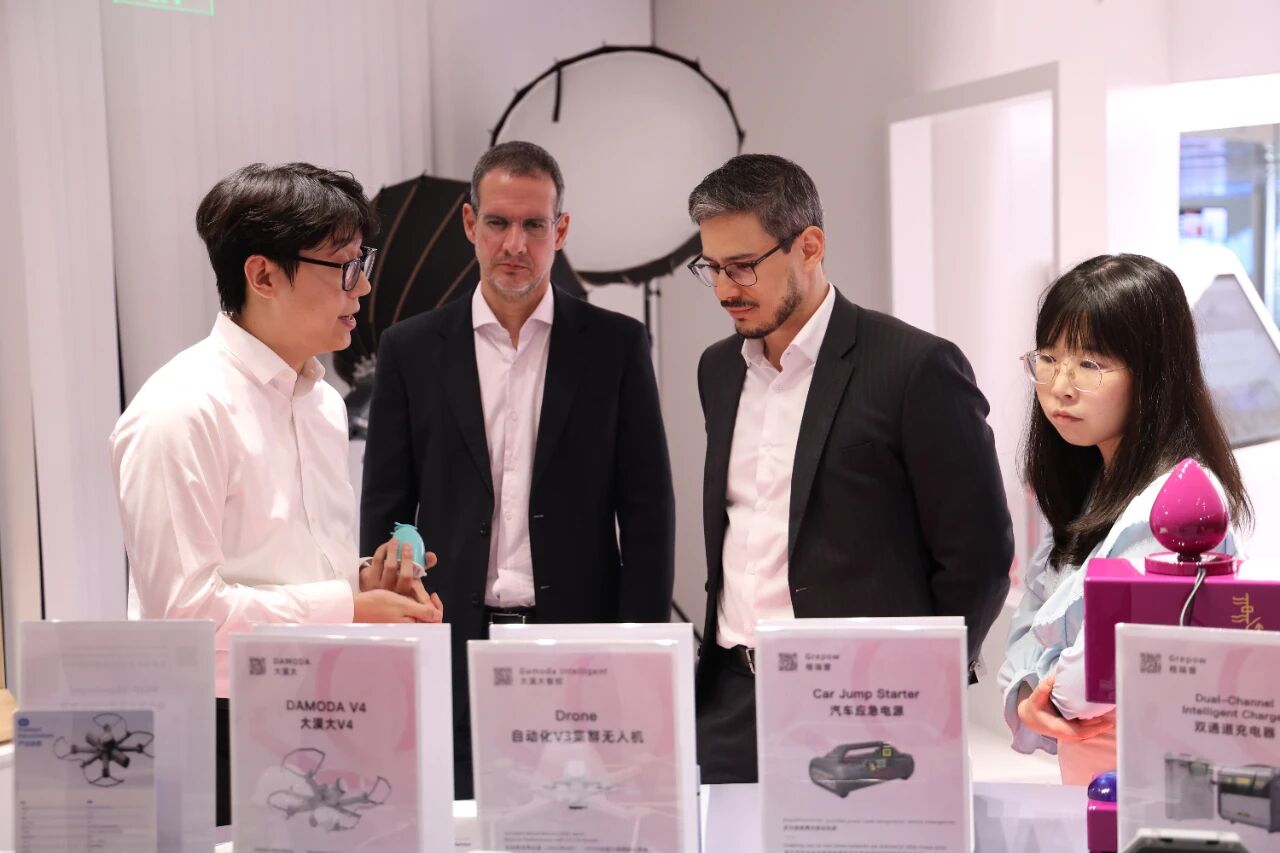
Adriano Macedo Ramos (2nd R), director of the Department for the Development of High-Complexity Technology Industries under Brazil’s Ministry of Development, Industry, Trade, and Services,listens to an introduction at the Shenzhen Longhua International Cooperation Center on Oct. 21. Photo courtesy of LICC
The Shenzhen–Brazil Cooperation and Exchange Symposium, hosted by the Shenzhen Longhua International Cooperation Center (LlCC) and the Shenzhen Foundation for International Exchange and Cooperation, was held at LICCOct. 21.
Delegates from Brazil’s Ministry of Development, Industry, Trade, and Services (MDIC) joined representatives from Shenzhen-based high-tech firms for in-depth discussions on policy directions and industry collaboration in semiconductors, electronics, and other advanced technologies.
由深圳(龙华)国际合作中心与深圳市国际交流合作基金会联合主办的“深圳-巴西合作交流座谈会”于10月21日顺利举行。巴西发展、工业、贸易与服务部(MDIC)代表团与深圳半导体、电子信息等高科技企业代表齐聚一堂,围绕半导体、电子及先进技术领域的政策导向与产业合作展开深入交流。
Adriano Macedo Ramos, director of the Department for the Development of High-Complexity Technology Industries (DIAL) at MDIC, outlined Brazil’s industrial policy framework and opportunities for cooperation.
He highlighted Brazil’s New Industrialization Plan, emphasizing how Brazil will strengthen its semiconductor sector through targeted development and support programs.
巴西发展、工业、贸易与服务部高技术复杂产业司司长Adriano Macedo Ramos在会上系统阐述了巴西产业政策框架与合作机遇。他重点介绍了巴西"新工业化计划",特别强调将通过针对性发展支持计划强化巴西半导体产业布局。
Ramos also shared that this was his first visit to Shenzhen and expressed admiration for the city’s innovation-driven ecosystem. He noted complementarities between Brazil and Shenzhen in the semiconductor value chain — Brazil’s strengths lie in packaging and design and its status as home to South America’s only semiconductor manufacturer, and Shenzhen possesses expertise in manufacturing, R&D, and front-end capabilities.
He pointed specifically to opportunities in silicon carbide (SiC) chips used in power applications, electric vehicles, and renewable-energy systems as an example of mutually beneficial cooperation.
Ramos表示,此次是他首次访问深圳,这座城市的创新生态给他留下深刻印象。他指出巴西与深圳在半导体价值链上具有明显互补性:巴西在封装、设计领域具备优势,并拥有南美洲唯一铸造厂;而深圳在制造、研发及前端工艺方面实力突出。他以广泛应用于电力电子、新能源汽车及可再生能源系统的碳化硅芯片为例,说明了双方潜在的合作空间。
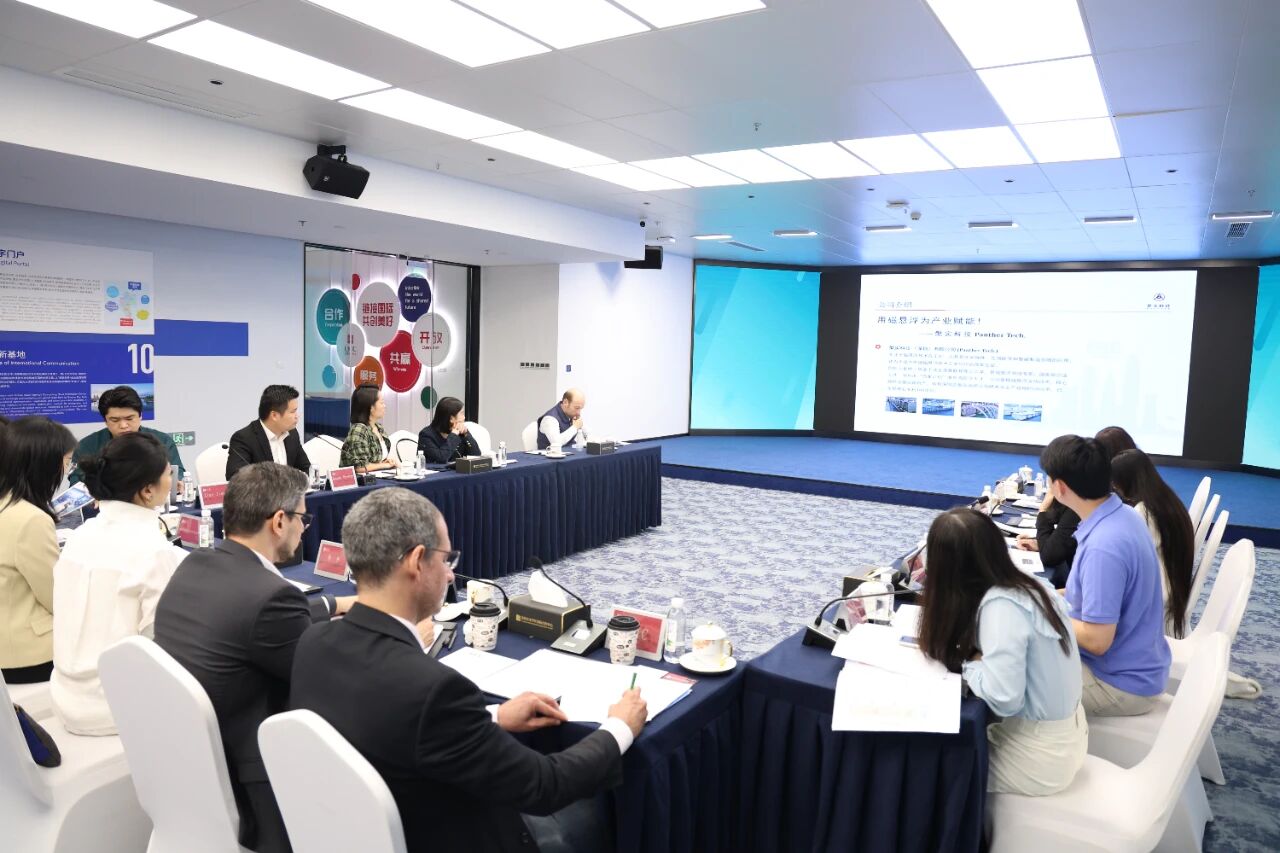
Members of the MDIC delegation meet with representatives from Shenzhen-based high-tech firms for in-depth discussionsduring the Shenzhen–Brazil Cooperation and Exchange Symposiumat LICC on Oct. 21.
Speaking of cooperation pathways, Ramos stressed that Brazil’s industrial policy is designed to attract investment, expand production, and boost research both domestically and through partnerships abroad.
With a market of more than 200 million people, Brazil could serve as an export hub for Latin America, offering Shenzhen-based companies growth opportunities in consumer electronics, new-energy systems, biotechnology, and medical devices.
在探讨合作路径时,Ramos强调巴西产业政策旨在通过国内外合作吸引投资、扩大生产并推动研发。拥有逾2亿人口的巴西市场可作为通往拉丁美洲的出口枢纽,为深圳企业在消费电子、新能源系统、生物技术和医疗器械等领域提供规模化发展机遇。
The MDIC delegation indicated continued interest in engaging Chinese investors and firms to enter new market segments in Brazil and develop cross-border industrial projects.
Ramos said the forum represented the first step in a longer-term cooperation process. Brazil's MDIC plans to return to Shenzhen with Brazilian companies and host Shenzhen-based firms in Brazil for follow-up meetings and project development.
巴西代表团表示持续欢迎中国投资者和企业开拓巴西新兴市场领域,共同开发跨境产业项目。Ramos称本次研讨会标志着长期合作进程的启动,巴西发展、工业、贸易与服务部后续将组织巴西企业回访,并邀请深圳企业赴巴西开展项目对接与深度合作。


 Telephone 0755-27617814Email [email protected]
Address 4 / F, Tower B, OCT Central One, Mintang Road, Longhua District, Shenzhen
Opening Hours 9:00 a.m. - 12:00 p.m., 2:00 p.m. - 6:00 p.m. Monday to Friday (excluding statutory holidays)
Website ID: 4403920006
Sponsored by: General Office of Longhua District People's Governmen

Without written authorization from Longhua District People’s Government,the content of the site shall not be republished or used in any form


